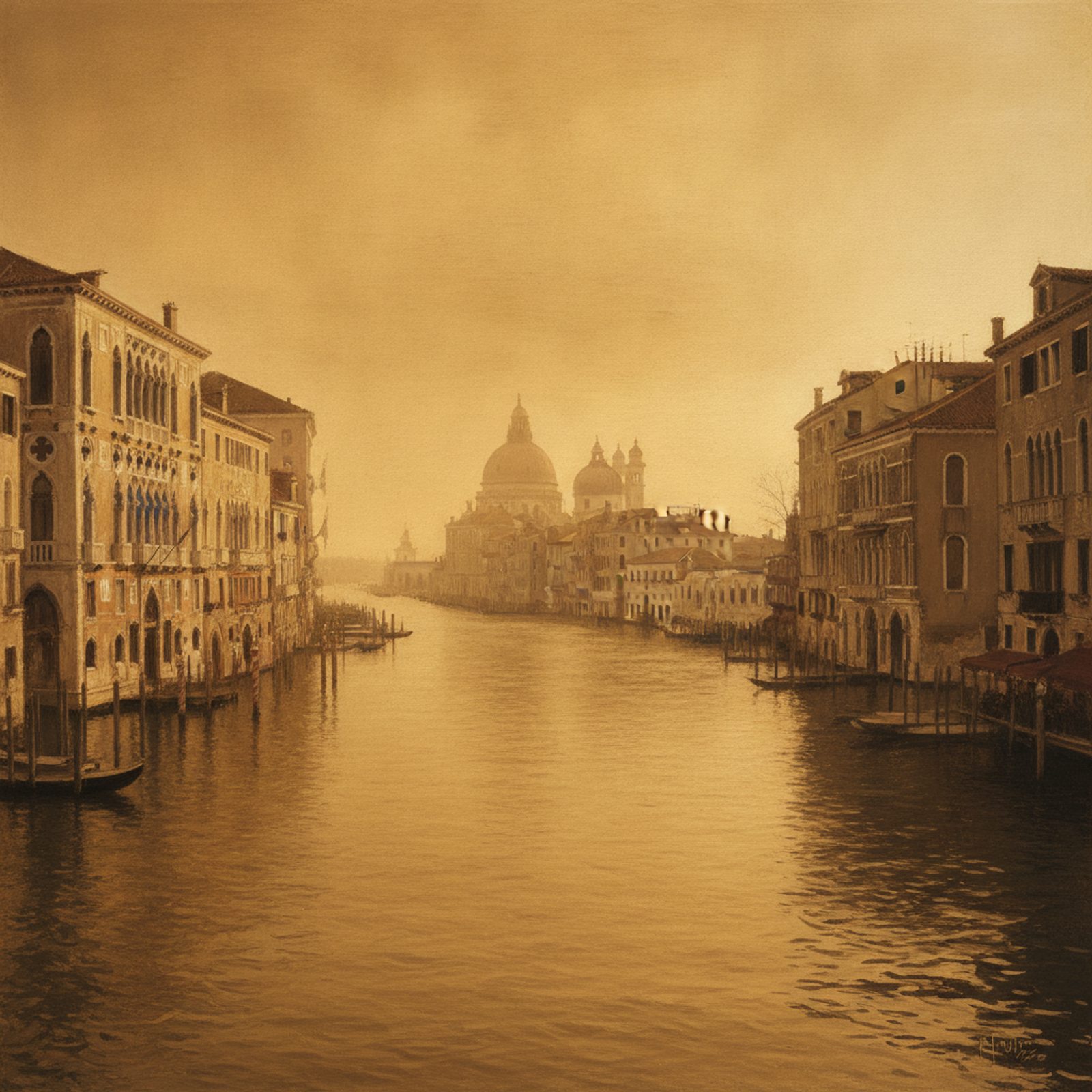
Venice, narrated as you walk it
Self-guided audio walks through Venice — hand-crafted stop by stop, told in your ear as you reach each one. Start in your browser — nothing to install.
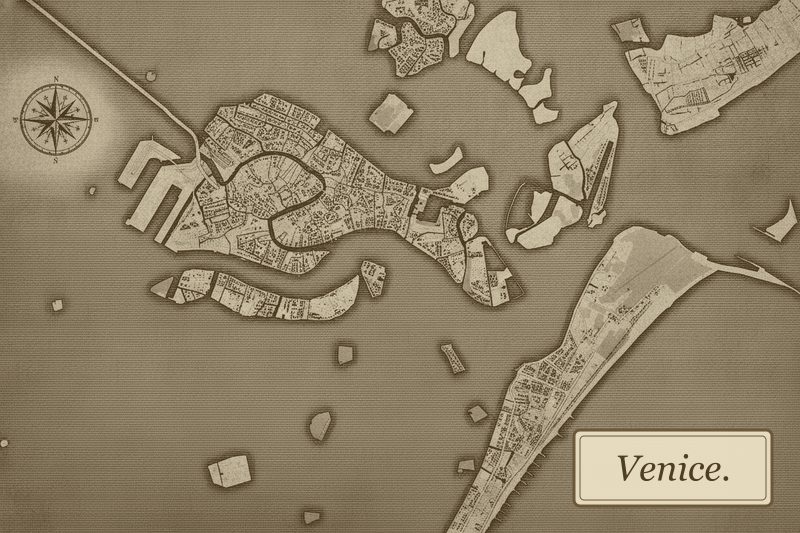 Pianta di Venice
A narrator in your ear, not a group to follow
Start the walk
Open Trove in your browser, put your earphones in. No booking, no group to meet.
Walk stop to stop
At each stop the narrator tells you the story of the thing in front of you — right as you look at it.
Ask for more
Every stop goes deeper if you want it to, and moves on if you don't. You set the pace.
8 stops, plotted for you
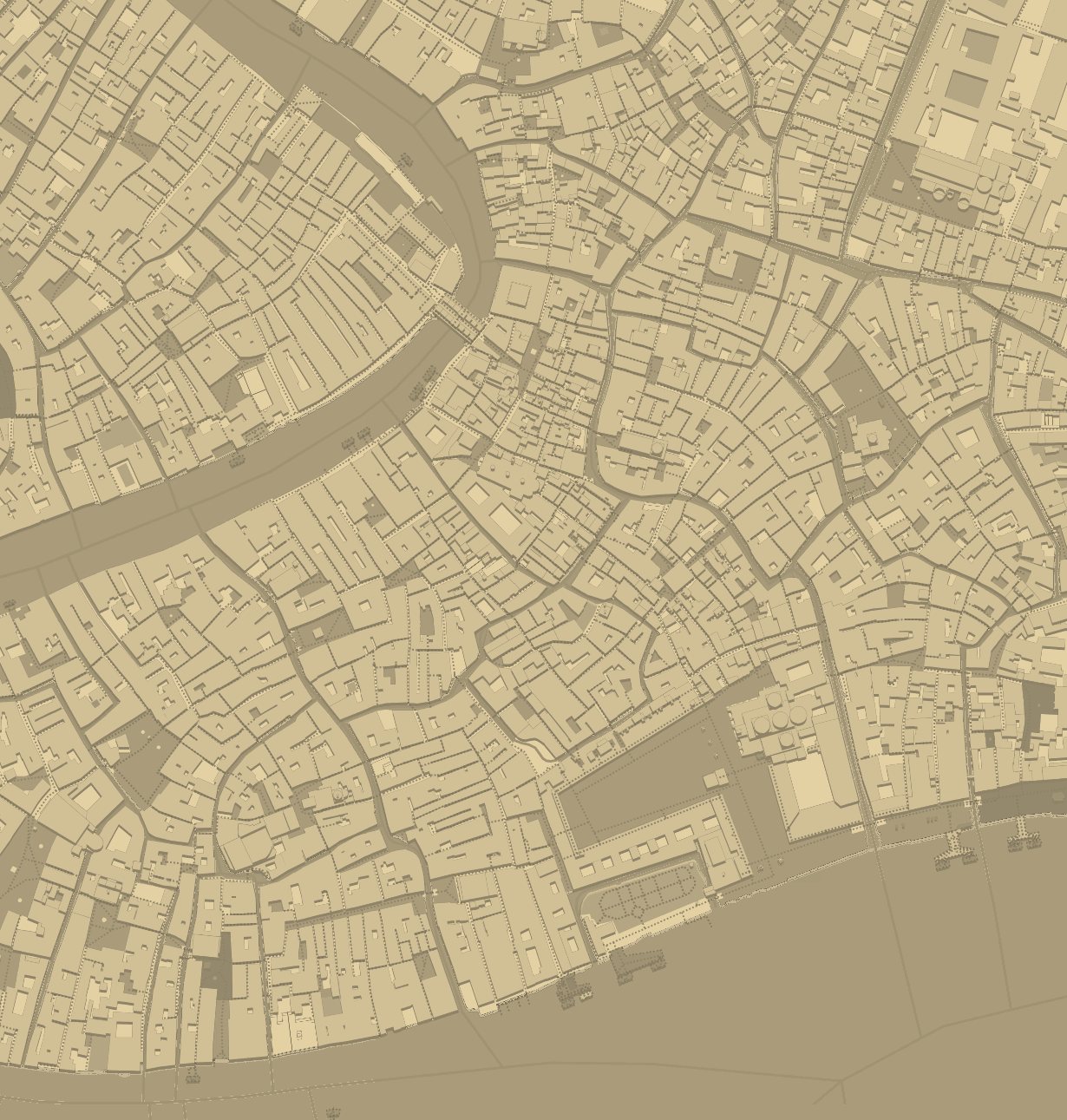
A hand-curated line through Venice — 1.8 km, 32 minutes of walking, one to two hours with the stories. Tap a stop to find it on the plan.
- 01
Piazza San Marco
The only square Venice calls a piazza — and Napoleon called it the finest drawing room in Europe.
- 02
St Mark's Basilica
A church built like a treasure chest — and filled, quite literally, with stolen treasure.
- 03
Doge's Palace & the Bridge of Sighs
The seat of a thousand-year republic — and the bridge that carried the condemned to their cells.
- 04
San Zaccaria
A few steps off the tourist trail, a free church hiding a Bellini masterpiece — and a crypt full of water and dead doges.
- 05
Scala Contarini del Bovolo
Hidden in a maze of alleys, a spiral staircase so beautiful a noble family built it just to show off.
- 06
Rialto Bridge & Market
For a thousand years, the beating commercial heart of Venice — where the money, the gossip and the fish all changed hands.
- 07
The Wells & the Wooden City
Look at the stone wellhead in the middle of the square — and learn the impossible secret of how Venice drinks, and stands.
- 08
The Grand Canal
Venice's only real street — nearly two and a half miles of water, lined with the front doors of a vanished empire.
Everyone tells you the same thing about Venice: put the map away and get lost. It's good advice with a flaw, because a city this strange deserves better than being wandered through in beautiful confusion. Why is there a city here at all, in the middle of a lagoon? Who decided that was sensible? Trove answers as you go. At each stop, over the bridges and through the campi, the narrator tells you the story of where you're standing, and every stop offers more if you're curious. You still get gloriously lost. You just understand what you're lost in.
Start with the Trove Edit walk: eight stops over roughly 1.8 kilometres, which in Venice means bridges, so give it a couple of unhurried hours. There's no group and no schedule, and that matters more here than anywhere, because Venice at seven in the morning and Venice at midday are two different cities. Go early, before the day boats arrive, and the walk is yours alone. Every stop comes with its full narration, and the churches and halls you step inside on the way have interior tours of their own. Tours of Venice's great museums are on the way, one museum at a time.
The eight stops carry the city's whole argument: Piazza San Marco and its Basilica, the Doge's Palace with the Bridge of Sighs behind it, San Zaccaria — where a flooded crypt tells you more about Venice than any postcard — the corkscrew Scala Contarini del Bovolo, the Rialto's bridge and market, the wells that watered a city with no fresh water, and finally the Grand Canal itself. It's the postcard route and the engineering lecture at once, which is the only honest way to show Venice.
Deeper cuts wait behind the facades. St Mark's, the Doge's Palace, the Frari, the Accademia and the Guggenheim each carry their own full Trove tour for when a doorway won't let you walk past it. Start with the walk; Venice will tell you soon enough which interiors it wants you inside.
Six sestieri, one walkable spine
Venice divides into six sestieri — San Marco, Castello, Cannaregio, Dorsoduro, San Polo and Santa Croce — but as a walker you mostly need one line: the well-trodden spine between Piazza San Marco and the Rialto, which the walk threads. Hold that line in your head and every wrong turn becomes recoverable.
Off the spine, each direction has a personality. Dorsoduro, across the Accademia bridge, is the quieter art quarter. Cannaregio keeps its evenings for locals along wide, straight fondamente. Castello, past San Zaccaria, is where laundry lines replace shopfronts within three bridges.
Getting lost remains the city's best free attraction — the yellow Per Rialto and Per San Marco signs are the safety net, and nowhere in the historic centre is much more than half an hour's walk from anywhere else. The walk is built to be paused mid-labyrinth; losing the route is not losing the plot.
Dawn city, different city
No city on earth changes more by the hour. At seven, Piazza San Marco is pigeons, café chairs going down and a basilica you can hear your own footsteps in front of; by midday in season it's one of the busiest squares in Europe. The walk has no timetable — spend that superpower on the early hours.
Autumn and winter bring acqua alta, the seasonal high tides that put raised walkways over the low squares for an hour or two around the peak. It's photogenic, occasionally inconvenient, and no reason to cancel a walk — the route bends, the narration waits.
The evenings belong to the city again once the day boats leave. The Rialto market's morning bustle and the lagoon-light hour before sunset are the two best frames the walk will ever have.
Inside San Zaccaria: a mini tour
4 short stories inside San Zaccaria — included in the Trove app, no unlock needed.
- 01
The Convent of Noble Sins.
A convent for the daughters of Venice's noblest families — and one of the worldliest, most scandalous houses in the city.
- 02
Bellini's Altarpiece.
One of the most luminous paintings in Venice — a window so convincing it seems to open the wall into another room.
- 03
The Chapel of San Tarasio.
Through a small door, a golden room where the Renaissance first arrived in Venice — by way of Florence.
- 04
The Flooded Crypt.
Down a few steps, the floor of Venice gives up — and you're looking at a thousand-year-old crypt under water.
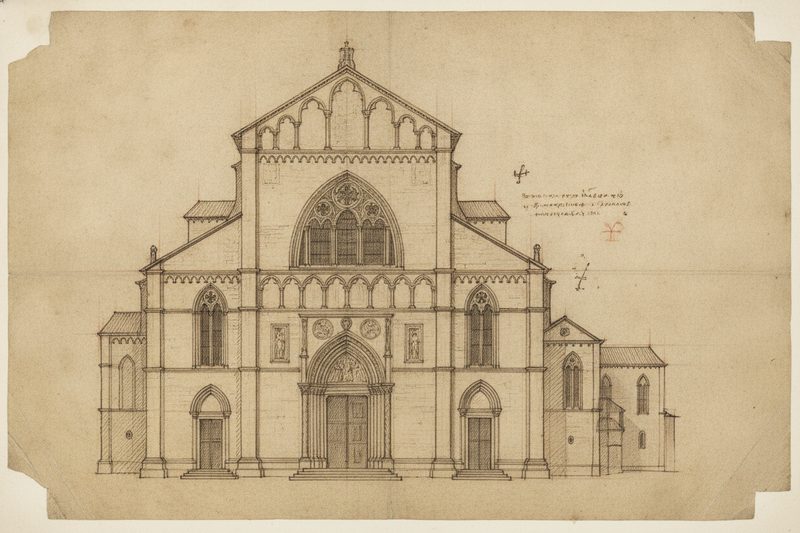
The interiors, each with its own tour
Every interior along the walk has its own hand-written tour. Step inside, press play, no unlock needed.
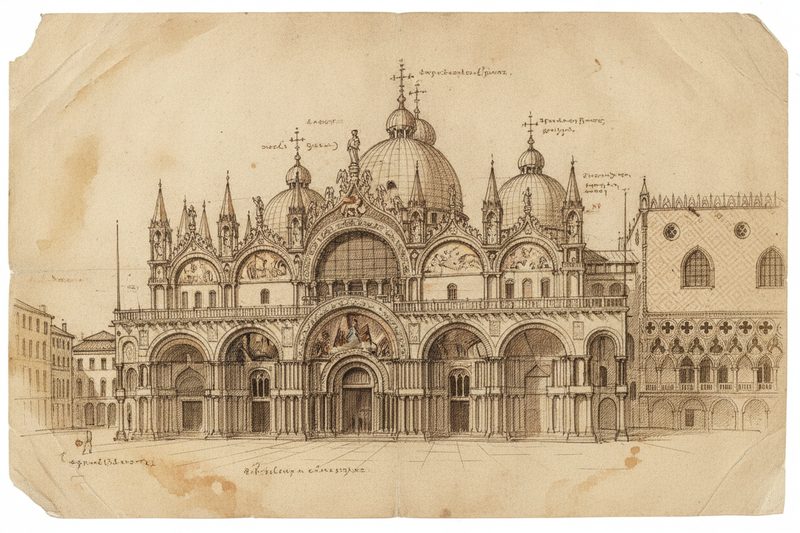 St Mark's BasilicaInteriorBefore the church proper begins, the whole story of creation unfolds in gold overhead.
 Doge's PalaceInteriorThe staircase nobody may climb, where every doge was crowned between two giants.
 Scala Contarini del BovoloInteriorA staircase that ended up giving its name to the family who paid for it.
 The FrariInteriorBare brick outside, and a wooden wall down the middle of the nave inside.
The museums, one at a time
These Venice museum tours are on the way, each one made by hand and checked before it plays.
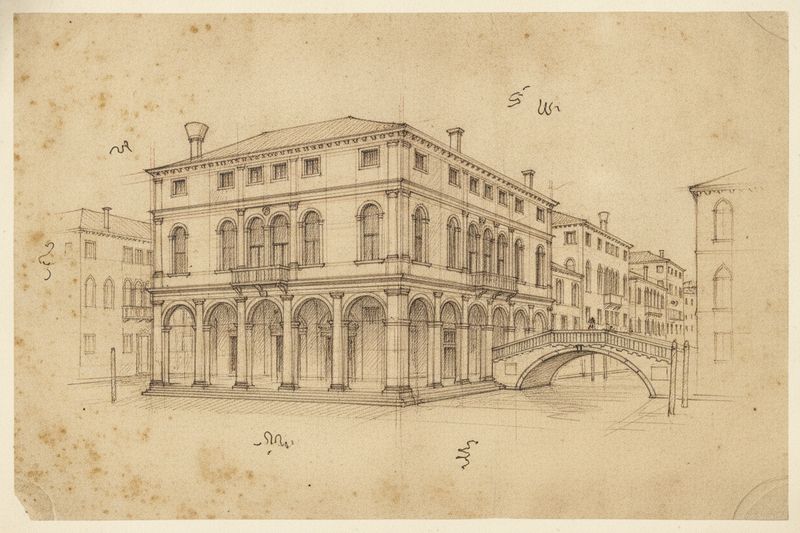 Gallerie dell'AccademiaMuseum · coming soon
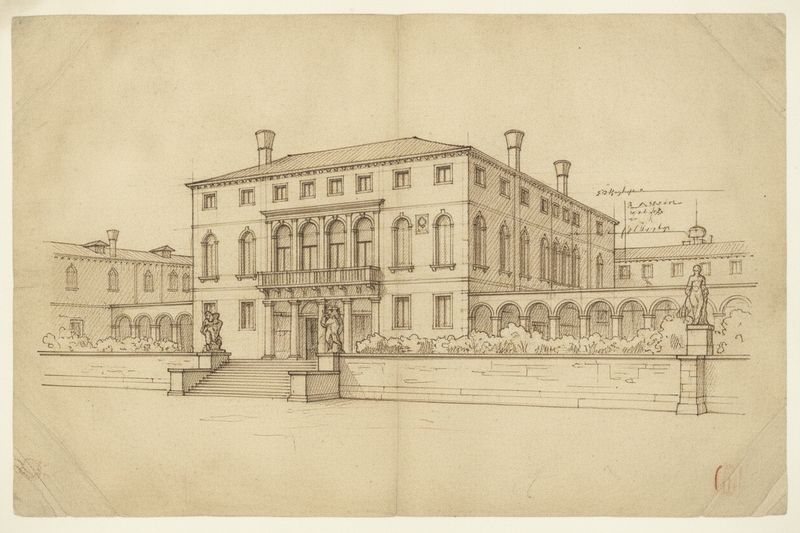 Peggy Guggenheim CollectionMuseum · coming soon
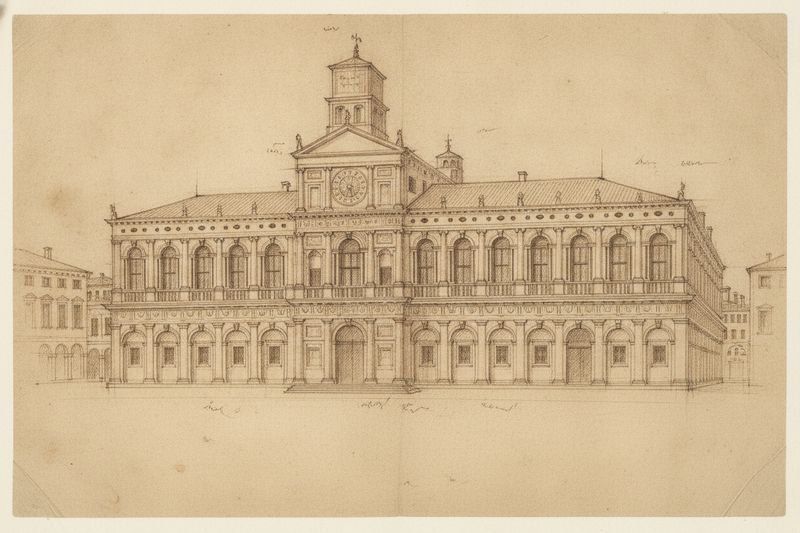 Museo CorrerMuseum · coming soon
Venice questions, answered
Is the Venice walking tour really free?
Nothing — there's nothing to buy. Eight stops, complete narration and no tip expected, and the same goes for the interior tours along the walk.
Do I need to book a time or join a group?
No. It's self-guided, so you choose the hour. In Venice that's a genuine superpower: start at dawn and you'll have bridges to yourself that are shoulder to shoulder by eleven.
Do I need mobile data?
Just to load the tour once. After that the audio and text are downloaded and work offline, which suits Venice well: grab it over your hotel wifi, then wander with roaming off. If you want Google Maps helping between stops, that part may still need data, though in Venice even Google Maps is only cautiously confident.
How long does the walk take?
About 1.8 km, but Venetian kilometres include bridges and dead ends that turn out to be the best part. The walking alone is about half an hour; budget two hours and let the city do its thing.
Are there tours for individual sites too?
Yes. The great sites along the walk have their own interior tours. Museum tours are on the way, one museum at a time.
Is Venice walkable, or do I need a vaporetto?
The historic centre is entirely walkable — the walk covers its 1.8 km on foot, bridges included. Vaporetti earn their fare for arrivals, the Grand Canal in full, and the outer islands, not for the core.
Is two days enough for Venice?
Two days covers the spine properly: the Trove Edit walk, one or two interiors — St Mark's, the Doge's Palace or the Frari — and an evening after the day boats leave. A third day buys the quieter sestieri, but Venice doesn't demand it.
What about acqua alta — does high water stop the walk?
Rarely. Acqua alta is tidal and brief, mostly autumn to winter, and the city raises walkways over the lowest stretches for the hour or two around the peak. Pause the walk, take the detour, carry on — the narration keeps your place.
Do I need to book St Mark's or the Doge's Palace?
Entry tickets are separate and worth booking ahead in season. Trove's tours play alongside whichever ticket and time slot you hold.