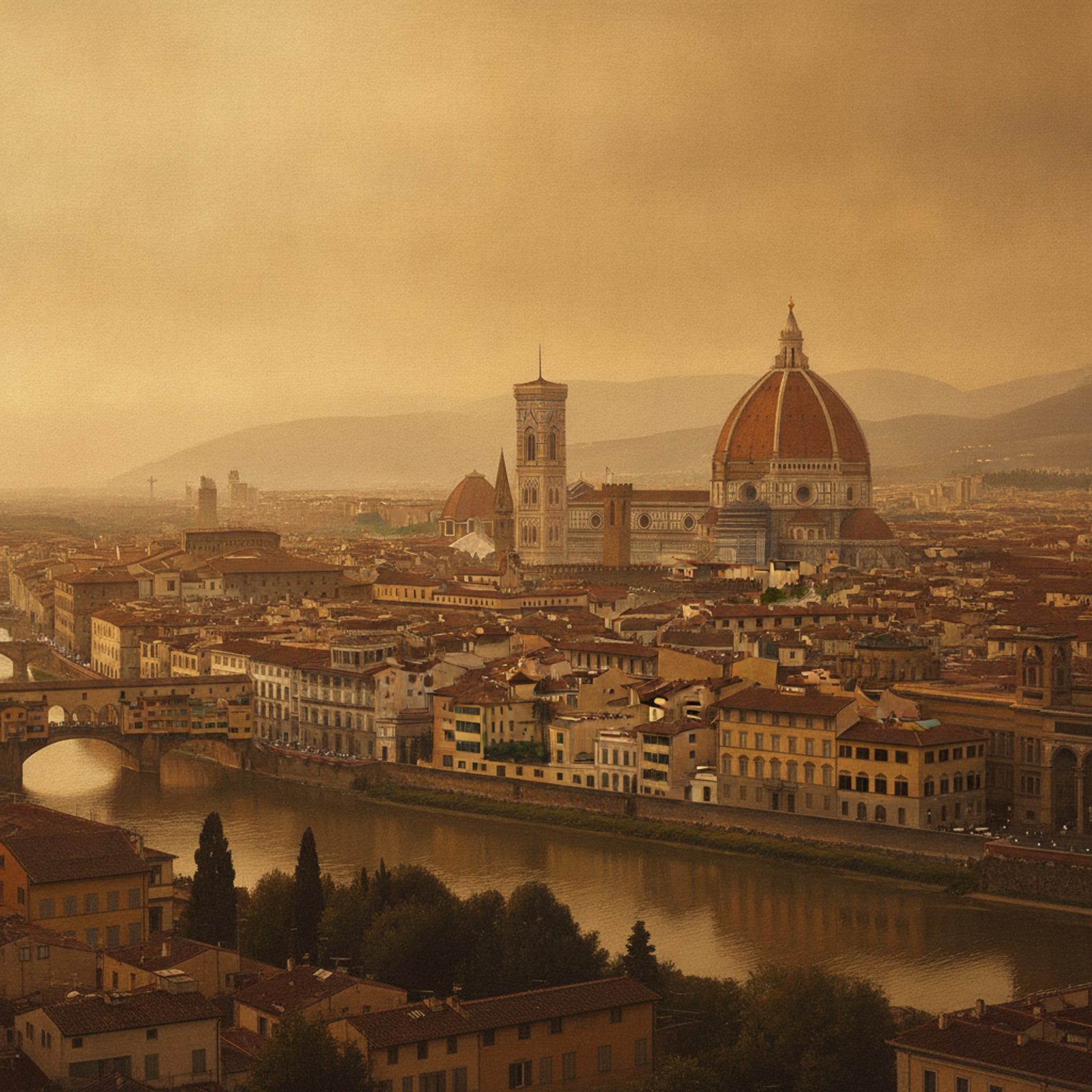
Florence, narrated as you walk it
Self-guided audio walks through Florence — hand-crafted stop by stop, told in your ear as you reach each one. Start in your browser — nothing to install.
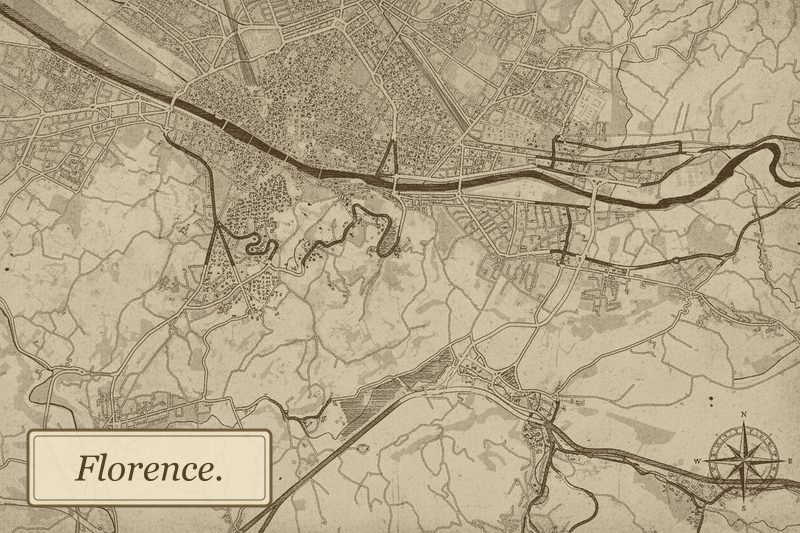 Pianta di Florence
A narrator in your ear, not a group to follow
Start the walk
Open Trove in your browser, put your earphones in. No booking, no group to meet.
Walk stop to stop
At each stop the narrator tells you the story of the thing in front of you — right as you look at it.
Ask for more
Every stop goes deeper if you want it to, and moves on if you don't. You set the pace.
8 stops, plotted for you
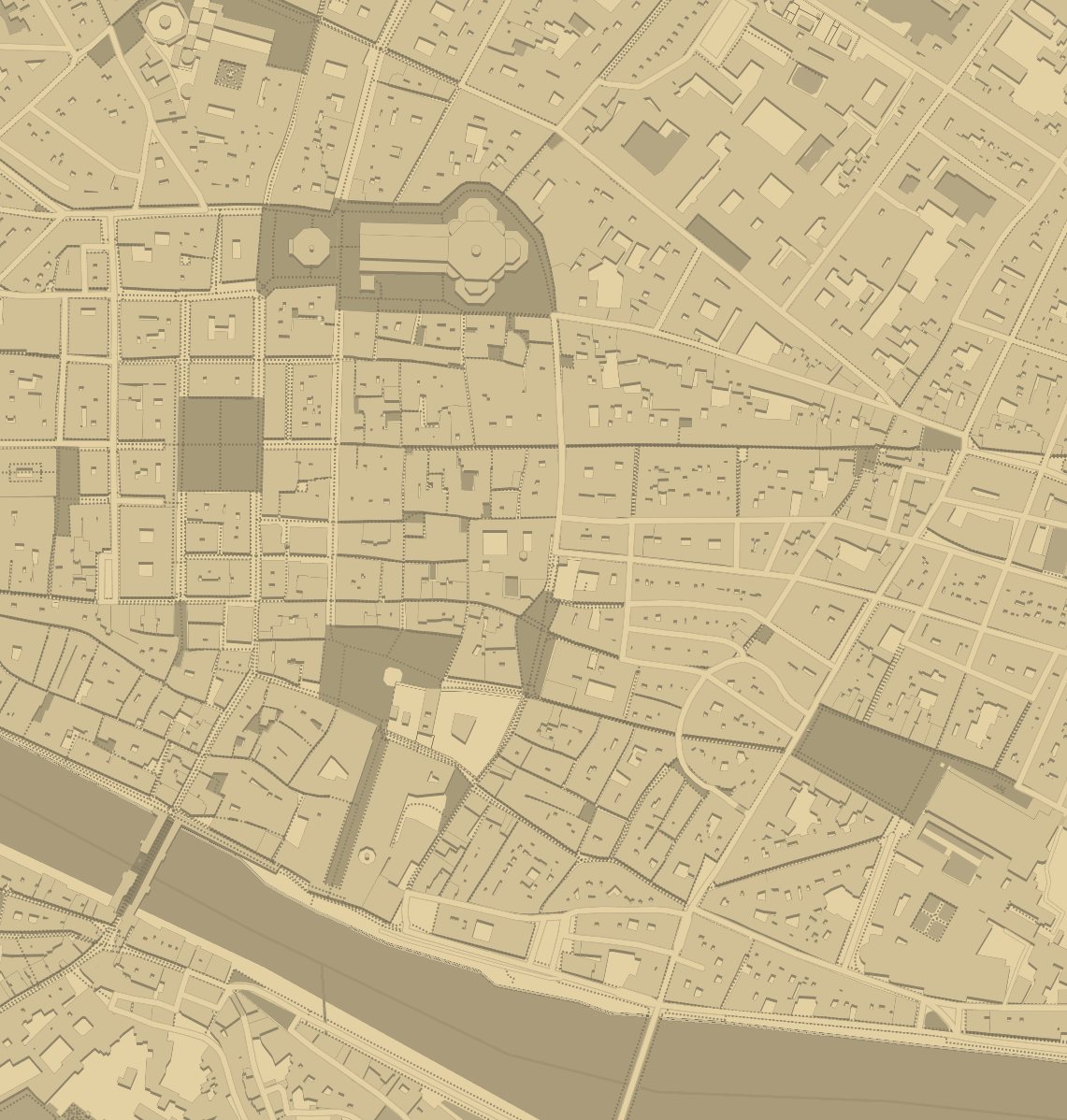
A hand-curated line through Florence — 1.6 km, 22 minutes of walking, one to two hours with the stories. Tap a stop to find it on the plan.
- 01
Piazza del Duomo
The cathedral built to outshine its rivals — crowned by a dome nobody yet knew how to build.
- 02
The Baptistery
The golden doors that took twenty-seven years — and the genius said to have named them the Gates of Paradise.
- 03
Orsanmichele
A tall church on the shopping street that's secretly a fortress of Renaissance sculpture.
- 04
Piazza della Signoria & Palazzo Vecchio
Florence's living room — an open-air sculpture gallery on the spot where the city burned its vanities, and its preacher.
- 05
The Uffizi
One of the world's great galleries — and it was built as a set of government offices.
- 06
Ponte Vecchio
The bridge of gold that outlived war, plague and flood — with a secret passage running over your head.
- 07
The Wine Windows
Tiny doors in the walls, just big enough for a bottle — Florence's most charming hidden secret.
- 08
Santa Croce
The church where Florence buries its geniuses — Michelangelo, Galileo, Machiavelli, all under one roof.
Florence is small enough to walk end to end in an afternoon, and dense enough to spend a lifetime on. Half the Renaissance happened within a few hundred metres of the Duomo, which means you're never far from something extraordinary, and never sure which extraordinary thing you're looking at. Trove fixes that. Put your earphones in and walk the route, and at each stop the narrator tells you what you're standing in front of: who paid for this, who painted that, why this doorway mattered. When a stop hooks you, ask for more and it goes deeper. When it doesn't, walk on. No guilt either way.
The Trove Edit walk is the place to start: eight stops over about 1.7 kilometres of the city's heart. The walking itself takes barely twenty minutes, but plan on a couple of hours, because Florence is where the gap between "walking time" and "actual time" gets embarrassing. Every stop comes with its full narration. Along the way, the great churches and halls you step inside each have their own hand-written interior tour. The Uffizi has one too: a highlights tour from Giotto to Caravaggio, with spoken directions from each masterpiece to the next. Tours of the city's other museums are on the way, one museum at a time.
The route reads like the city's greatest hits told in the right order: Piazza del Duomo and the Baptistery doors that started an art-historical fistfight, Orsanmichele — the granary that became a church without ever quite deciding — the open-air sculpture court of the Piazza della Signoria, the Uffizi's courtyard, the Ponte Vecchio, a wine window or two, and Santa Croce, where Michelangelo and Galileo lie a few tombs apart. Each stop earns its minutes; none is there because a guidebook felt obliged.
And when a stop hooks you properly, Florence is the city where going deeper pays best. The Uffizi, the Accademia, the Bargello, Palazzo Pitti and the Cathedral complex each have their own full Trove tour, so the walk doubles as a menu. Do it first — it will tell you which doors are yours.
Florence, in one readable map
Florence is the rare famous city you can hold in your head after one walk. The Duomo's dome is the compass needle — visible from nearly every corner of the centre, so you're never more than a glance from knowing where you are. South of it runs the spine the walk follows: the Signoria, the Uffizi, and the river.
Cross the Ponte Vecchio and you're in the Oltrarno — the other side of the Arno — where the palaces thin out and the workshops begin: gilders, bookbinders, and the Santo Spirito and San Frediano quarters where Florentines actually eat. Climb to Piazzale Michelangelo at the end of a day and the whole lesson repeats itself as a view.
The practical upshot: almost nothing in central Florence is more than fifteen minutes from anything else on foot. This is a city built at walking scale — which is exactly why a narrator in your ear suits it better than a bus ever could.
Early, late, or out of season
Florence's crowds are a schedule, not a fact. At eight in the morning the Piazza del Duomo belongs to delivery bikes and you; by eleven it belongs to tour flags. The walk takes no bookings and holds no schedule, so spend that freedom on the early hours — or push the walk into the golden hour, when the facades light up and the day-trippers drain toward the station.
In high summer, walk early and give the fierce middle of the day to the museums — the Uffizi and the Bargello are air-conditioned storytelling at exactly the hours the streets aren't kind. From November to February the city drops its voice: shorter queues, low winter light on the stone, and the same narration with almost nobody in the shot.
Rain changes nothing. The stories don't queue and the route doesn't book out — and a wet Florence, reflections in the flagstones and the dome in and out of cloud, has its own argument.
Inside Orsanmichele: a mini tour
4 short stories inside Orsanmichele — included in the Trove app, no unlock needed.
- 01
The Granary That Became a Church.
A medieval grain market that a miracle turned into a church — with its market bones still showing.
- 02
The Grain Chutes Hidden in the Pillars.
Run your eye up the pillars and find the holes where wheat once poured down into the market.
- 03
Orcagna's Tabernacle.
The plague made this confraternity rich — and they spent it on the most dazzling shrine in Italy.
- 04
The Guilds in Stone.
Step back outside and you're surrounded by a sculpture contest the great guilds fought in marble and bronze.
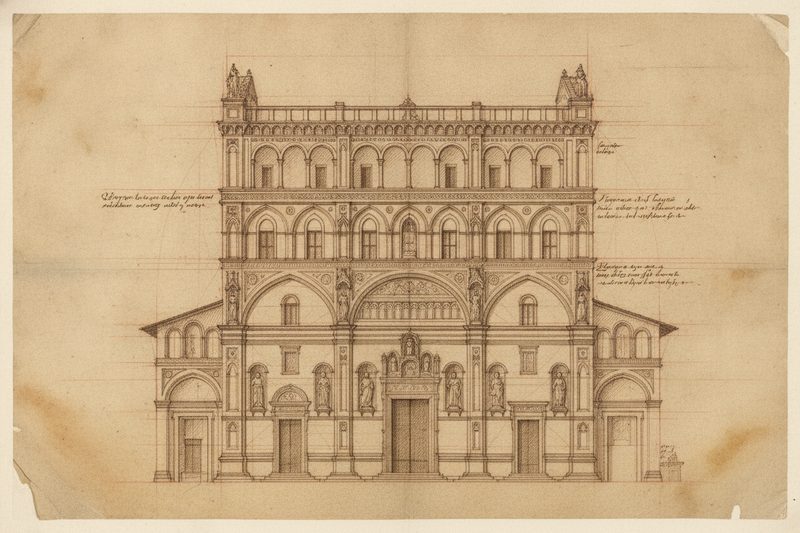
The interiors, each with its own tour
Every interior along the walk has its own hand-written tour. Step inside, press play, no unlock needed.
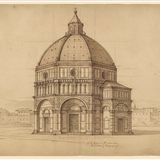 The BaptisteryInteriorFor centuries Florentines swore this octagon was a Roman temple to Mars.
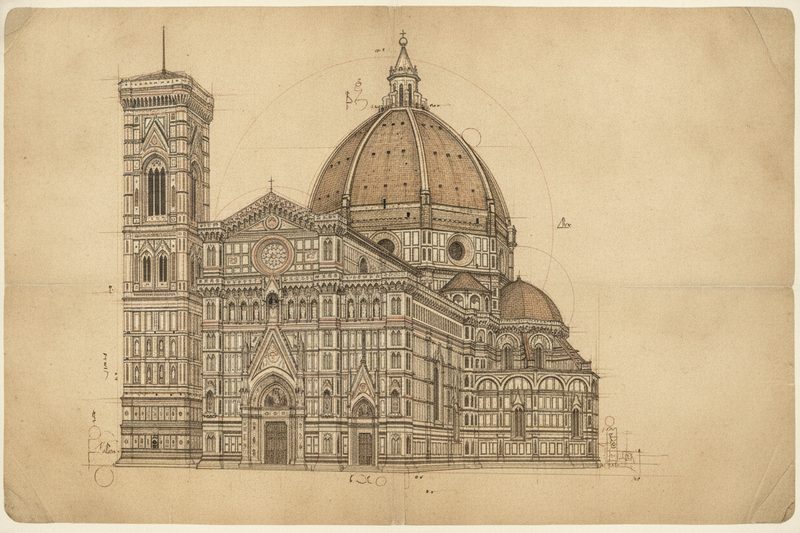 Florence CathedralInteriorOutside, every inch is dressed in coloured marble; inside, the cathedral turns almost bare.
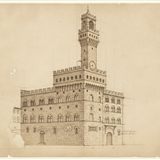 Palazzo VecchioInteriorA courtyard gilded for one royal wedding, down to the bronze boy wrestling a dolphin.
Santa CroceInteriorA roof of bare wooden beams — Franciscan poverty turned into architecture.
Palazzo VecchioInteriorA courtyard gilded for one royal wedding, down to the bronze boy wrestling a dolphin.
Santa CroceInteriorA roof of bare wooden beams — Franciscan poverty turned into architecture.
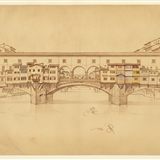 Ponte VecchioInteriorThis crossing has drowned twice, and its shape shows the builders expected the river to try again.
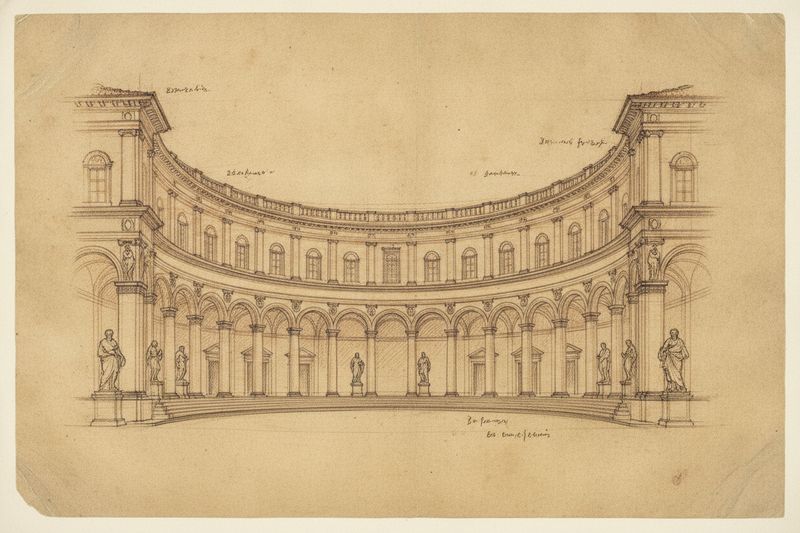 Uffizi HighlightsInteriorOne of the most famous paintings in the world does not show the moment its title promises.
The museums, one at a time
These Florence museum tours are on the way, each one made by hand and checked before it plays.
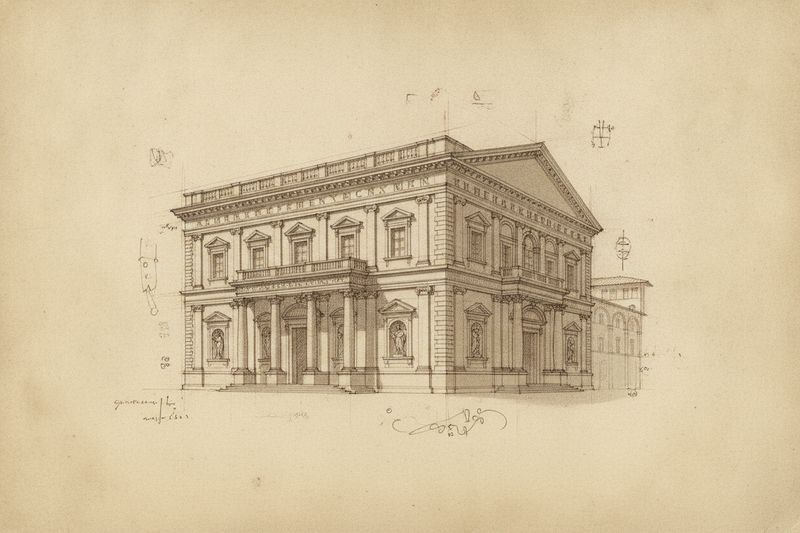 Galleria dell'AccademiaMuseum · coming soon
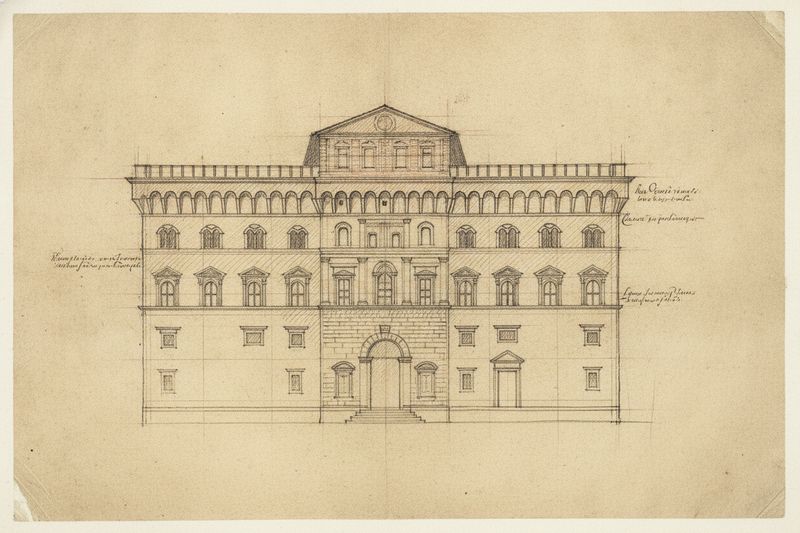 Palazzo PittiMuseum · coming soon
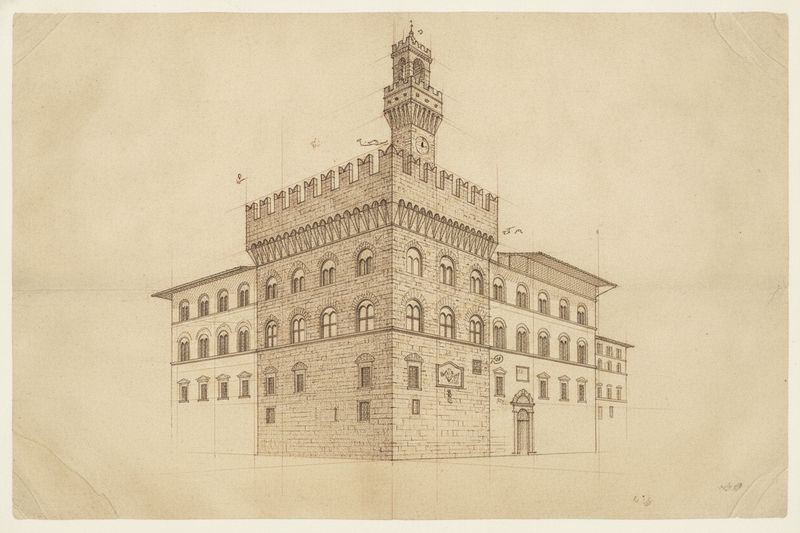 Museo del BargelloMuseum · coming soon
Florence questions, answered
Is the Florence walking tour really free?
Nothing — there's nothing to buy. All eight stops come with complete narration and no tip is expected, and the same goes for the interior tours along the walk and the Uffizi's highlights tour.
Do I need to book anything?
No. It's self-guided, so there's no meeting point and no departure time. Start it over breakfast or save it for the evening when the day-trippers thin out.
Do I need mobile data?
Only to load the tour the first time. Once it's downloaded, the audio and text work offline, so the smart move is to grab it over hotel wifi and head out with roaming off. Trove isn't a navigation app though, so if you want Google Maps between stops, that part may still use data.
How long does the walk take?
About 1.7 km of flat, compact city centre. The walking is around twenty minutes; with the stories and the stopping, budget one to two hours.
Does Trove cover the museums as well as the walk?
It does, and in two ways. The great sites along the walk have their own interior tours, and so does the Uffizi, with a highlights tour that talks you from room to room. Tours of the other museums are on the way, one museum at a time.
Is Florence walkable?
Completely — it's one of Europe's most compact great cities. The centre is mostly flat, and the walk's 1.7 km takes in the Duomo, the Signoria, the Uffizi courtyard, the Ponte Vecchio and Santa Croce without ever hurrying.
Do I need to book the Uffizi or Accademia separately?
Museum entry is separate, and in season the timed slots genuinely sell out ahead — book those directly. Trove's museum tours play alongside whichever ticket and time slot you hold.
When is the best time of day to do the walk?
Early morning before the day-trippers arrive, or the last two hours of light. It's self-guided with no departure times, so you can also split it — half over breakfast, half at dusk.